"Hair Bleaching Gone Wrong: Causes & Solutions for Bad Results"
Bleaching your hair can be a transformative experience, lightening your locks to unlock a world of color possibilities. However, it's essential to understand the potential consequences and proper techniques to avoid any hair disasters. One such dreaded outcome is "bad bleaching hair," a common issue that arises when things go awry with the bleaching process. In this article, we'll delve into the causes, effects, and solutions for bad bleaching hair, ensuring you're equipped with the knowledge to achieve salon-worthy results from the safety of your home.
Firstly, it's crucial to recognize that bleaching your hair involves a chemical process that openness the hair's cuticles, allowing the pigments to wash out. This action can potentially cause damage if not done correctly, leading to the infamous "bad bleach job." But fear not, as understanding the root of the problem can help you avoid such pitfalls.
Common Causes of Bad Bleaching Hair
There are several reasons why you might end up with bad bleached hair. Let's explore the main culprits:


Incorrect Application
Applying bleach unevenly or leaving it on for too long can result in brassy tones, dried-out hair, and even bald spots. Always follow the instructions on the box meticulously and ensure full coverage from roots to tips.
Overprocessing
Leaving bleach on your hair for too long or applying it too frequently can lead to severe damage. Respect the recommended development time and give your hair adequate breaks between bleaching sessions to prevent overprocessing.


Allergic Reaction
Some people may experience an allergic reaction to bleach, resulting in itchy, swollen scalp or irritated skin. If you notice any such symptoms, discontinue use immediately and consult a healthcare professional.
Identifying the Signs of Bad Bleaching Hair
To address the issue promptly, it's essential to recognize the symptoms of bad bleaching hair. Here's what to look out for:
China doll or Orange Tones
If your hair turns orange or reddish after bleaching, it's a sign that the bleach has not lifted the color properly. This happens when the hair has been overprocessed or when using low-volume developer.


Brittleness and Dryness
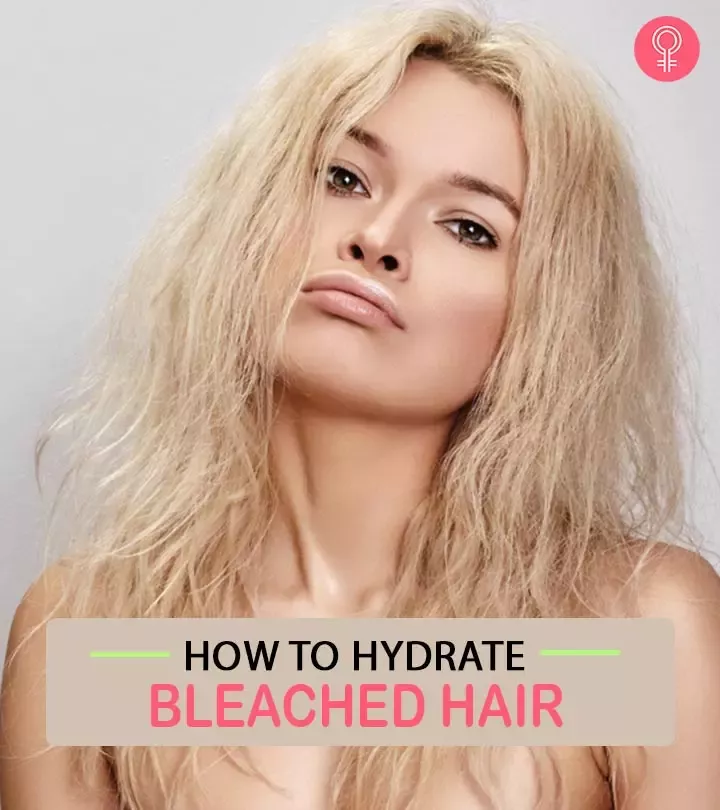
Healthy hair should have some elasticity and feel soft to the touch. If your hair feels dry, brittle, or straw-like after bleaching, it's a sign of excessive damage. This can lead to breakage and make your hair prone to frizz and tangles.
Rectifying Bad Bleaching Hair
If you've ended up with bad bleached hair, all hope is not lost. There are several ways to salvage and revive your locks:
Deep Conditioning
Using nourishing, deep conditioning treatments can help replenish moisture and Repair damaged hair. Opt for products containing ingredients like argan oil, shea butter, or coconut oil for best results.

Olaplex Treatments
Olaplex is a revolutionary treatment that can help repair the bonds in damaged hair caused by bleaching. Incorporating products like Olaplex No.3 and No.8 into your hair care routine can significantly improve the strength and health of your strands.
Remember, prevention is always better than cure. Always do a strand test before bleaching your entire head to check for any allergic reactions or undesirable results. Stick to the recommended development time and use high-quality products to minimize the risk of bad bleaching hair. If you're unsure about the bleaching process, it's always best to consult a professional stylist for personalized advice and guidance.
Lastly, be patient with your hair during the bleaching process and after. Allow it time to recover and embrace the fact that your hair may not look perfect immediately after bleaching. With proper care and a little bit of time, your hair will regain its gloss and health, leaving you with the beautiful, lightened locks you desired.
Related Articles
Hair Not Drying After Bleaching: Causes & Solutions
If you've recently bleached your hair and are struggling with it not drying, you're not alone. This is a common issue that many people face. But don't worry...

Hair Loss After Bleaching: Causes & Solutions
Bleaching your hair can be an exciting way to transform your look, but it's not uncommon to experience hair loss afterwards. While it might seem alarming...

Dissolve Hair in Drains: Top Solutions
Imagine this: You've just finished pampering yourself with a hair mask, ready to rinse it off and step out of the shower feeling refreshed. But then, the panic...

Chilli Plant Leaves Turning Yellow: Causes & Solutions
Has your once vibrant chili plant started to look a bit lackluster, with leaves turning yellow? It's not aający sign, but it does indicate that something's...

Potato Leaves Turning Brown: Causes and Solutions
Ever noticed your lush potato plant's leaves losing their vibrant green, turning into a not-so-appetizing shade of brown? It's a common concern among...

Foxglove Leaves Turning Yellow: Causes and Solutions
Have you ever noticed your once-lush foxglove plants sporting yellow leaves, wondering what went wrong? You're not alone. This common concern can be attributed...