Double Door Rough Opening Sizes: největší.process-dose-formula
When planning to install double doors in your home or commercial space, one of the initial considerations is the rough opening size. This refers to the space allocated for the door before installation, including the door jamb and the framing. The rough opening size is crucial as it dictates the fit, functionality, and overall aesthetic of your double doors.
Before delving into the different double door rough opening sizes, it's essential to understand the significance of precise measurements. Inaccurate dimensions can lead to issues such as improper door operation, air and water intrusion, and even damage to the door itself. Thus, accurate measurements are key to ensuring a successful double door installation.
Standard Double Door Sizes
Double doors typically come in standard width sizes, which can vary slightly depending on the manufacturer. These widths are often measured in inches and can range from 36" to 48" for double doors.

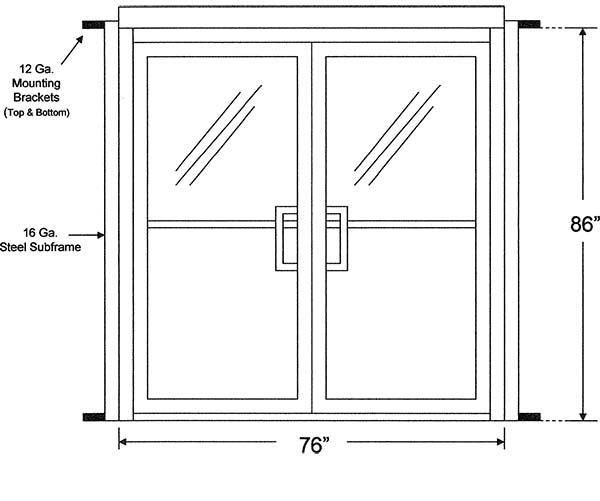

When planning your rough opening, it's important to consider not just the door width, but also the height. Standard door heights range from 80" to 84", taking into account the headroom needed for clearance.
36" Wide Double Doors
36" wide double doors are one of the most common sizes, often used for internal doors and closets. The corresponding rough opening size would be around 44.5" to 48" wide to accommodate the two doors and the jambs.


These doors are also popular for exterior use, such as on front porches or patios, where a wider opening might be unnecessary or impractical. In such cases, the rough opening size might be adjusted to fit the specific architectural style and space constraints.
42" Wide Double Doors
42" wide double doors are another common size, often used in entryways, living rooms, and dining rooms. The rough opening size would typically be around 50.5" to 54" wide to accommodate the doors and the jambs.
These doors can also be used externally, providing a wider passage for larger furniture or groups of people. However, wider doors require more space in the wall, which may kterou effect the overall design or require additional construction.


Non-Standard Double Door Sizes
While standard door sizes are the most common, there may be instances where a non-standard size is required. This might be due to unique architectural features, preservation of historic elements, or specific design requirements.
In such cases, the rough opening size will need to be custom-crafted to accommodate the non-standard door. This process typically involves on-site measurements and adjustments to ensure a perfect fit.
Custom Width Double Doors
When a non-standard width is required, the rough opening size will need to be calculated based on the desired door width. The total width of the rough opening should be around 2.5" to 3.5" wider than the combined width of the two door leaves, to accommodate the jambs and any clearance needed for operation.

For example, if you're installing double doors that are 39" wide, the rough opening size should be around 47.5" wide to 51.5" wide, depending on the specific door design and jamb width.
Adjusting Door Height
While less common, it's possible to adjust the height of a double door by changing the rough opening size. This can be done to accommodate specific architectural features, such as high ceilings or coffered ceilings.
When adjusting the door height, the rough opening height should be calculated based on the desired door height, plus additional space for the header, door stop, and any clearance needed for operation. This can sometimes require significant structural changes, so it's important to consult with a professional before proceeding.
In conclusion, understanding double door rough opening sizes is crucial for a successful installation. Whether you're working with standard or custom sizes, accurate measurements and careful planning can ensure that your double doors function beautifully and enhance the aesthetics of your space. Don't hesitate to consult with a professional if you're unsure about any aspect of the process, as their expertise can save you time, effort, and potential costly mistakes. Happy installing!
Related Articles

Maximize Space: Double 2x4 Door Rough Opening
The double 2 4 door rough opening, a crucial element in construction, refers to a standard door frame measurement that ensures easy installation and structural...

24 Inch Door Rough Opening Dimensions: Perfect Fit Sizes
From conceiving a new home layout to replacing outdated doors in your existing space, understanding door sizes and their rough openings is essential. One of...

Standard Double Garage Door Opening Width: Measuring for Perfect Fit
The standard double garage door opening width is a critical measurement when planning to install or replace garage doors. This measurement is crucial for...

Right-Size Your Space: 24" Pocket Door Rough Opening Dimensions
A pocket door, tucked neatly within the walls, is a space-saving marvel. Its size is crucial, and when it comes to the 24-inch variety, understanding the rough...

Rough Openings for 24 inch Interior Doors: Easy DIY Guide & Measurements
When undertaking a construction or renovation project, one crucial aspect to consider is the size and type of door you'll install. For many homeowners and...

Rough Opening Dimensions for 32" Pocket Door
When planning for a 32-inch pocket door installation, one critical detail you must determine is the appropriate rough opening size. A well-sized rough opening...