Fall's Bounty: Container Veggies
Autumn is a brilliant time for gardeners, with the changing weather and cooler temperatures making it the perfect season to grow a diverse range of container vegetables. Fall gardening offers a surprising variety of choices, from leafy greens to robust root vegetables. By understanding the right crops and caregiving techniques, you can harvest your container garden's bounty right through the autumn months and even into early winter.
Fall gardening is also an excellent way to make the most of your container garden space, especially if you've kept your plants productive throughout the summer. By rotating crops and planting successive ones, you can maximize your garden's productivity, while also preparing it for the coming spring.
Best Vegetables for Fall Container Gardening
Choosing the right vegetables for fall container gardening is crucial for a successful harvest. Cool-season crops thrive in the autumn climate, tolerant of cold temperatures and requiring less water than their warm-season counterparts.


Leafy greens, brassicas, and root vegetables are typically the most successful during the fall months. Some examples include kale, spinach, lettuce, broccoli, cauliflower, radishes, carrots, and beets. You can also try fall-specific crops like rutabaga, turnips, and winter peas. Herbs like parsley, cilantro, and chives also flourish in cooler weather.
Brassicas in Containers
Brassicas, such as broccoli and cauliflower, are excellent choices for fall container gardening. They're relatively disease-resistant and can tolerate light frost, making them well-suited to autumn conditions. Start seedlings indoors 6-8 weeks before the last spring frost, then transplant them into larger containers once they outgrow their seed trays.


Broccoli typically takes around 90 days to mature, while cauliflower might take a bit longer, around 100-120 days. Ensure your containers are at least 12 inches deep and wide, with drainage holes to prevent waterlogging. Regularly feed them with a balanced fertilizer to encourage strong growth.
Root Vegetables in Containers
Root vegetables, like carrots and beets, are suited to fall container gardening due to their tolerance of cooler temperatures and shorter daylight hours. They grow best in deep containers (at least 12 inches deep), filled with well-draining soil, and require consistent moisture and nutrients.
Carrots can take around 75-85 days to mature, while beets may take only 50-70 days. Consider succession planting these crops every 2-4 weeks for a continuous harvest. Keep in mind that some root vegetables, such as radishes, will germinate faster in cooler temperatures, making them ideal for a late summer/early fall planting.


Container Gardening Techniques for Fall
Successfully growing vegetables in containers during the fall involves understanding the unique environmental challenges and optimally caring for your plants.
As temperatures begin to cool, container soil can’t insulate plants as well as in-ground gardens. Therefore, you'll need to provide additional insulation, such as covering your containers with a cloche oradding a layer of mulch around plants. This will help retain soil moisture and protect plants from extreme temperature fluctuations.
Light and Watering
As autumn progresses, daylight hours decrease, which can slow plant growth. Place your containers in a location that receives ample sunlight – at least 6-8 hours a day is ideal. However, avoid locations with strong winds, as this can increase evapotranspiration, leading to quicker dry-out of the soil.
Watering will be less frequent than in summer, but plants still require consistent moisture. Thoroughly water your containers once a week, ensuring the top inch of the soil is consistently damp. Consider using a drip irrigation system for even water distribution.
Fertilizing
feed your plants with a balanced, water-soluble fertilizer every 4-6 weeks to replace nutrients leeched from the soil during watering. Cool-season crops might require less fertilization than warm-season ones, but consistent feeding will keep plants robust and productive.
Be mindful of the plant-specific needs, as some may want more nutrients, while others, like leafy greens, are less heavy feeders.
Fall container gardening allows you to overseed and succession plant, maximizing your garden's productivity. With careful planning and regular care, you can enjoy a bounty of fresh vegetables throughout the fall and into early winter. Happy gardening!
Related Articles

Fall's Bounty: Top NC Vegetables to Grow This Season
As the days grow shorter and the air crisper, North Carolina's vegetable gardens shift with the season. Fall brings a new set of opportunities for local...
Fall's Feast: Best Vegetables for Container Gardening
As the autumn air begins to crisp, it's time to transition your garden from summer's blooms to fall's bountiful harvest. Container gardening allows you to...
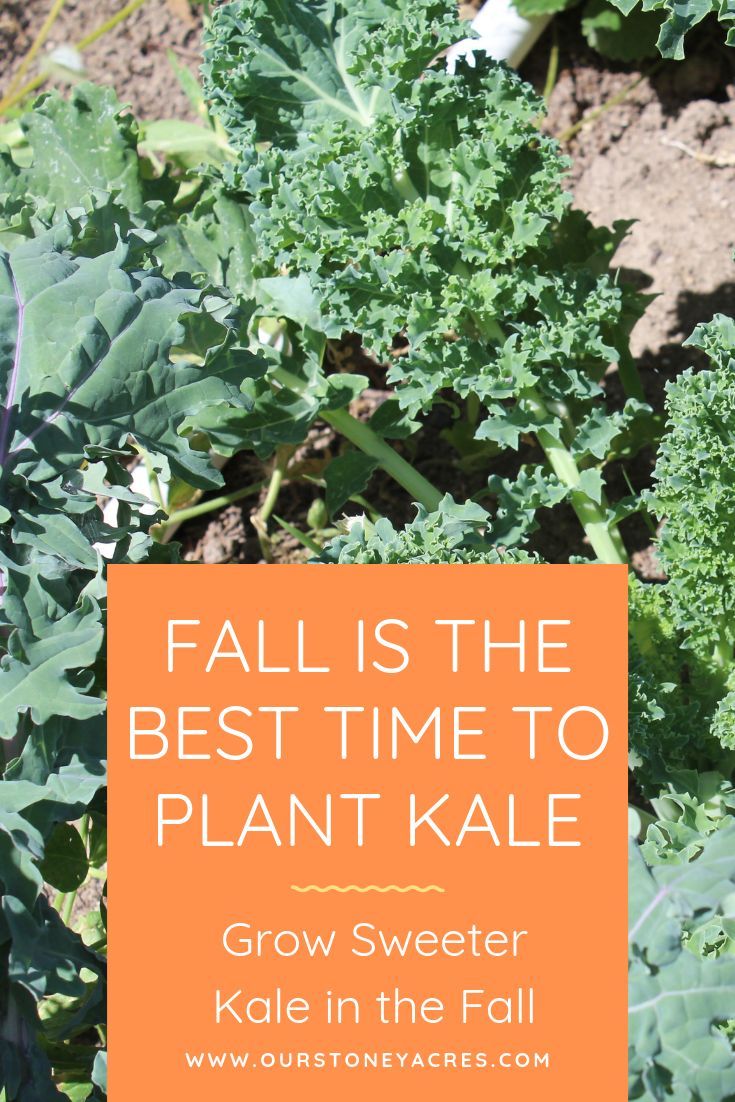
Fall's Bounty: Planting Kale for a Superb Harvest
Fall might seem like an unlikely time to plant, but for cooler-season crops like kale, it's the perfect season to get started. Kale thrives in the cooler...

Fall's Bounty: A Guide to Starting a Vegetable Garden
Autumn arrives with a symphony of vibrant colors, cooler temperatures, and a new gardening season - the fall vegetable garden. As the summer crops wind down...

Spring's Bounty: Fresh Seasonal Fruits & Veggies
As the weather warms and winter's chill retreats, the arrival of spring brings a delightful explosion of flavors in the form of seasonal fruits and vegetables...

Fall's Harvest: In-Season Fruits and Vegetables
Autumn's vibrant colors aren't just about the changing leaves; they're also reflected in the astonishing array of fall fruits and vegetables that grace...