Is Bleaching Hair Bad?
Hair bleaching has long been a popular method for achieving dramatic hair color changes, but the question "Is bleaching hair bad?" seems to be on many peoples' minds. This is due to the various potential side effects and the general misconception that bleaching is always damaging. Let's explore this topic in detail, discussing the pros, cons, and safety measures to consider.
Before delving into the specifics, remember that everyone's hair is unique, with varying textures, thicknesses, and degrees of porosity. What might be disastrous for one person's hair could have minimal effects on another's. Thus, while bleaching isn't inherently bad, it's essential to approach it with care and knowledge.
Understanding the Bleaching Process
Hair bleaching works by penetrating the hair shaft, breaking down the natural pigment in the hair, allowing new color to be deposited. This process involves a chemical reaction that can be harsh, potentially causing some level of damage. However, with careful use, the risks can be greatly minimized.


Bleaching can be done at home or professionally. Professional treatments often use more gentle, salon-specific formulas and techniques employed by trained stylists, reducing the likelihood of severe damage.
Potential Risks of Hair Bleaching
Inevitably, hair bleaching can cause some degree of damage to the hair. Common side effects include:


- Dryness and dehydration - Bleaching can strip the hair of its natural oils, leading to dryness and breakage.
- Texture changes - Over-bleaching can alter the texture of your hair, leaving it coarser or frizzier.
- Irritation and itching - Some people experience scalp irritation or itching from the chemicals in the bleach.
- Hair breakage - If not used correctly, bleach can weaken the hair, leading to excessive breakage and damage.
- Allergic reactions - In rare cases, people can have allergic reactions to the chemical components of hair bleach.
However, these effects are not universal and heavily depend on the process and products used. With careful application and proper aftercare, many of these risks can be mitigated or avoided.
Minimizing the Risks
To minimize the risks associated with hair bleaching, follow these tips:
- Do a patch test - Before bleaching your entire head of hair, test a small amount on a discreet part of your skin to check for any allergic reactions.
- Use a high-quality bleach - Professional-grade bleach formulas tend to be gentler on hair than home kit varieties.
- Follow instructions - Always follow the instructions on the bleach package to the letter, and never leave the bleach on longer than advised.
- Use a good developer - Choose the lowest possible volume developer (usually 20 or 30 volume) to minimize damage.
- Moisturize - Deep condition your hair before and after bleaching to help protect and replenish moisture.
When Bleaching is Recommended
While bleaching can cause damage, it's not always a bad choice. In many cases, bleaching can achieve desired results that other methods cannot. It's especially useful for:


Lightening dark hair
Bleaching is the most effective method for lightening dark hair, allowing for more vibrant and even color results.
Creating bold, unique colors
Bleaching enables colorists to achieve a vast array of vibrant and unique colors, from pastels to bold brights.
In conclusion, is bleaching hair bad? Not inherently. With proper use and care, bleaching can provide stunning color results. However, it's essential to understand the risks and weigh them against your desired outcome. Always consult with a hair care professional before making any significant changes to your hair. If you do decide to bleach your hair, make sure to follow the tips listed above to minimize potential damage. Bleaching your hair doesn't have to be a scary experience; with the right knowledge and care, you can achieve your desired look safely. Now go ahead and schedule that appointment with your stylist!
Related Articles
Does Bleaching Hair Cause Damage?
Ever found yourself wondering, "Does bleaching hair damage it?" You're not alone. The allure of transforming your tresses from one shade to another involves a...
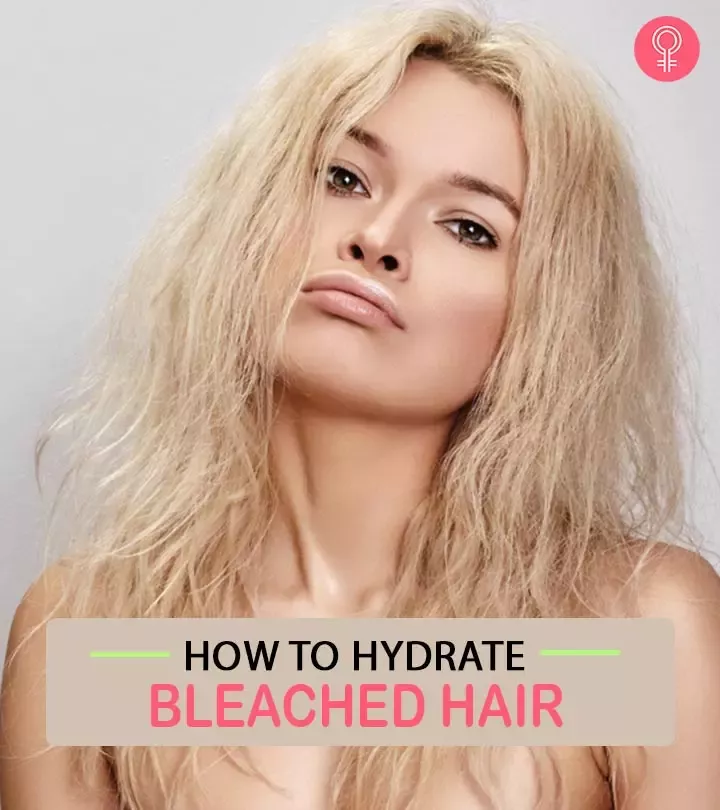
Hair Not Drying After Bleaching: Causes & Solutions
If you've recently bleached your hair and are struggling with it not drying, you're not alone. This is a common issue that many people face. But don't worry...
Will Bleaching Hair Damage It? Must-Know Facts
Naturally, the question "Will bleaching hair damage it?" is at the forefront of many minds considering the dramatic transformation bleaching offers. However...
Rejuvenate Your Strands: How to Fix Damaged Hair After Bleaching
Tired of looking in the mirror and seeing lackluster, frizzy, or Even worse, broken-off hair? If you're new to coloring or bleaching, you might be experiencing...

Hair Loss After Bleaching: Causes & Solutions
Bleaching your hair can be an exciting way to transform your look, but it's not uncommon to experience hair loss afterwards. While it might seem alarming...
Hair Loss After Bleaching: Why It Happens and How to Stop It
Hair bleaching is a popular method used to alter the color of one's hair, but it's no secret that this process can take a toll on hair health. One of the most...