Is Pilates Actually Effective?
Is Pilates actually effective? Given its surge in popularity, you'd think the answer is a resounding yes. But like any exercise regime, results vary, and claims abound. Let's dive into the details to find out what Pilates can really do for you.
Pilates was developed by Joseph Pilates in the early 20th century, initially as a rehabilitation tool. Its emphasis on core strength, flexibility, and stability has since made it a popular choice for fitness enthusiasts and professionals alike. But does it actually deliver on these promises?
Improves Core Strength
Pilates targets multiple core muscles, including the rectus abdominis, transverse abdominis, and obliques. The focus on slow, controlled movements and proper form can indeed strengthen these areas, leading to a more stable spine and enhanced overall core strength. A study published in the Journal of Bodywork and Movement Therapies found significant improvements in trunk muscle endurance and activation in participants who completed an eight-week Pilates program.


Moreover, many Pilates exercises require minimal equipment, making it an accessible and convenient way to build core strength at home.
Enhances Posture
Proper Pilates practice can help improve posture, as it encourages proper alignment and promotes muscle balance. By strengthening the deep abdominal muscles and lower back, Pilates can help counteract the slumped, sedentary position that many of us adopt in daily life. A study in the journal of Physical Therapy found that a six-week Pilates program improved posture angles, flexibility, and trunk muscle strength in office workers.


Regular practice can help reverse the natural postural deviations caused by modern lifestyles, promoting longer, leaner appearances and reducing the risk of back pain and other postural-related injuries.
Improves Flexibility
Pilates includes various stretching exercises that can improve flexibility and mobility. This increased range of motion can aid in daily movements and enhance athletic performance. A study in the journal of Strength and Conditioning Research found increased hamstring flexibility in participants who completed an eight-week Pilates program.
However, while some studies show improvements in flexibility, others report mixed results. It seems that while Pilates can indeed increase flexibility, it may not be as effective as dedicated stretching routines or yoga practice.


Not a Miracle Cure
Despite its many benefits, Pilates isn't a one-size-fits-all solution. It may not deliver transformative results for everyone, especially when it comes to significant weight loss or muscle gain. A systematic review published in the British Journal of Sports Medicine found limited evidence supporting Pilates for reducing fat mass or increasing muscle mass.
Moreover, the effectiveness of Pilates depends heavily on proper form and consistent practice. Without a certified instructor or a keen sense of your own body, you might not experience the full benefits. Therefore, investing in quality instruction and committing to regular practice is crucial.
Safety Considerations
While generally safe, Pilates does carry some risks. Incorrect execution of exercises, especially those involving heavy machinery or complex maneuvers, can lead to injury. Wear and tear on joints and tissues can also result from overuse or improper form. Therefore, it's essential to start with a certified instructor who can tailor exercises to your individual needs and abilities.

A good instructor will modify or omit exercises that pose a risk to your specific health profile. Additionally, listening to your body and avoiding exercises that cause pain or discomfort can help minimize the risk of injury.
In conclusion, is Pilates actually effective? Yes, for many people, it can enhance core strength, improve posture, and increase flexibility. However, like any exercise, results vary, and consistency is key. Want to experience the benefits of Pilates? Consider seeking out a certified instructor, attending regular classes, and being patient with yourself as you progress.
Related Articles

Boiling Water Weed Killer: Does It Actually Work?
Ever wondered if that leftover boiling water from your morning tea or afternoon kettle could be put to use in your garden instead of being wasted down the...
Is Pilates Effective?
In the realm of fitness and wellbeing, the age-old question often arises: is Pilates effective? With a myriad of exercise regimes vying for our attention...

Pilates Ring Workouts: Tone Up with These Effective Exercises
The Pilates Ring, a versatile piece of exercise equipment, is becoming increasingly popular among fitness enthusiasts. This low-impact, yet effective tool not...
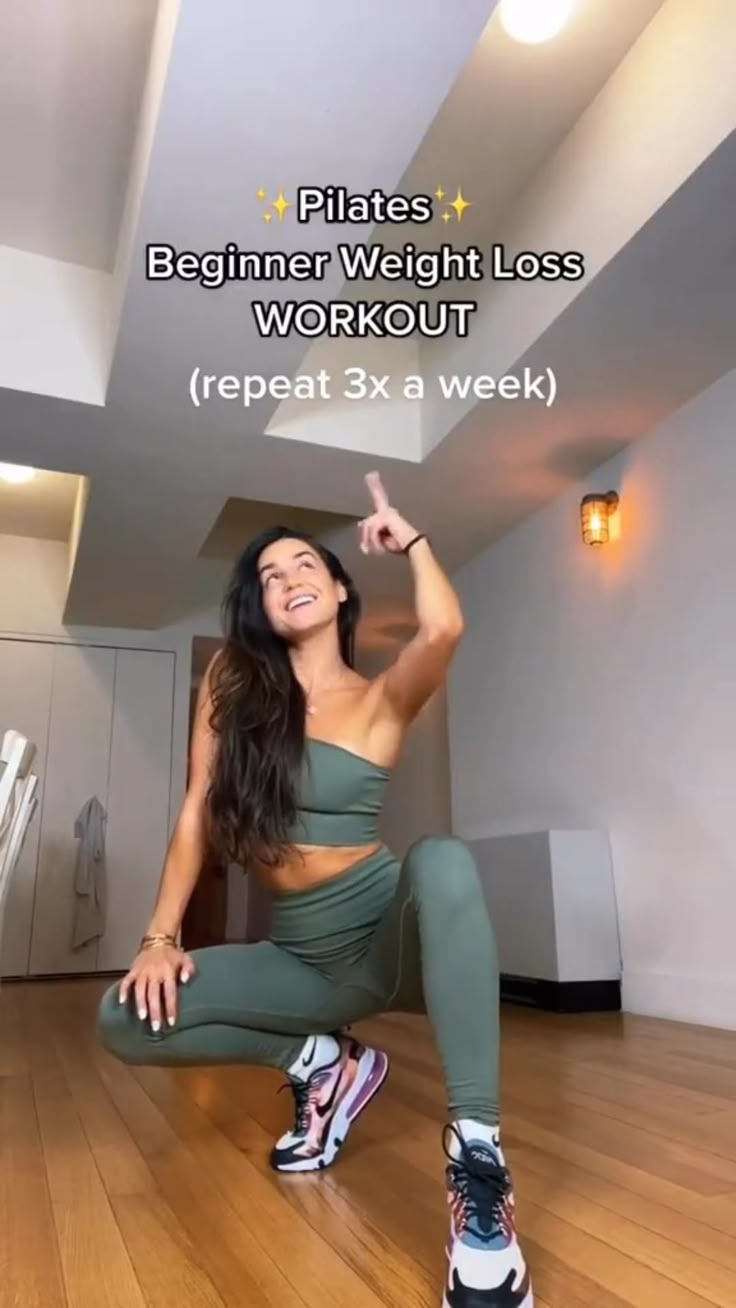
Pilates for Weight Loss: Does It Actually Work?
Embarking on a weight loss journey often involves exploring various exercises and activities that can aid in this process. One such exercise that has gained...

Natural Spider Repellent: Safe & Effective for Cats
The presence of spiders in our homes can sometimes cause alarm, but it's essential to manage the situation safely, especially if you share your space with...

"Gnat-Free Home: Effective Solutions to Get Rid of Gnats
No one wants to share their space with unwanted tiny winged pests. Gnats, those pesky little insects that seem to appear out of nowhere, can be quite a...