Fall's Golden Opportunity: Planting Shrubs for Autumn Glory
Autumn, with its crisp air and vibrant foliage, often signals the end of gardening season. However, for those looking to add some greenery to their landscapes or fill in empty spaces, fall presents an ideal time to plant shrubs. Let's delve into why and how you should consider planting shrubs in the fall.
The cooler temperatures and consistent rainfall of autumn create a perfect environment for shrubs to establish strong root systems before the stress of summer heat. Additionally, planting in fall allows you to take advantage of the end-of-season sales at your local nursery, making it an economical time to add greenery to your yard.
Benefits of Planting Shrubs in Fall
Fall planting offers several advantages for both you and your newly planted shrubs. Firstly, the cooler temperatures mean less watering is required. This allows the plants to focus their energy on root growth rather than trying to maintain leaf growth, aiding in quicker establishment.


Furthermore, many pests and diseases take a break during fall, reducing the risk of infestation during the critical establishment period. For evergreen shrubs, planting in fall allows them to become established before snowfall, providing essential protection from harsh winter winds.
Best Shrubs to Plant in Fall
Evergreen Shrubs
Evergreen shrubs, such as holly, boxwood, and rhododendron, can be planted in fall. These plants provide year-round screening and interest in your landscape. They should be planted with care, ensuring the root flare (where the roots meet the trunk) is level with the soil's surface.


Deciduous Shrubs
Deciduous shrubs, like hydrangea, forsythia, and lilac, can also be planted in fall. These plants lose their leaves in autumn, making it an optimal time to plant as they're preparing for dormancy. They should be planted slightly deeper than their root flare to encourage new root growth.
How to Plant Shrubs in Fall
Before planting, prepare the site by removing weeds and improving the soil. Most shrubs prefer well-drained soil with a pH between 6.0 and 7.0. Mix in some Compost or well-rotted manure to help with this.
A hole should be dug twice as wide and just as deep as the rootball. Gently remove the plant from its container, breaking up any tangled roots. Place the plant in the hole, ensuring the root flare is level with the soil's surface. Backfill with soil, gently firming it down, and water thoroughly.


Mulch around the base of the plant to help control weeds, retain moisture, and regulate soil temperature. Keep the area consistently moist during the first year to encourage strong root growth.
As winter settles in, consider protecting new plantings with a layer of mulch or burlap to shield them from harsh winds. Remove this protection in early spring to allow for new growth.
Planting shrubs in the fall allows for a head start on spring blooms and a more established landscape come summer. So, embrace the autumn garden season, and get planting!

Related Articles

Fall's Top Seeds: Best for Autumn Planting
Fall is not the end of gardening season; in fact, it's the perfect time to plant certain seeds that prefer cooler temperatures. Autumn sowing not only extends...

Rhubarb Transplanting: Fall's Golden Opportunity
The cool, crisp air of autumn signals not only the end of harvest season but also the ideal time to prepare your garden for the next growing season. While it...

Fall's Finest: 25 Stunning Door Decor Ideas for Autumn
As the leaves change color and the weather turns crisp, it's time to start thinking about giving your home a warm, inviting autumn makeover. One of the best...
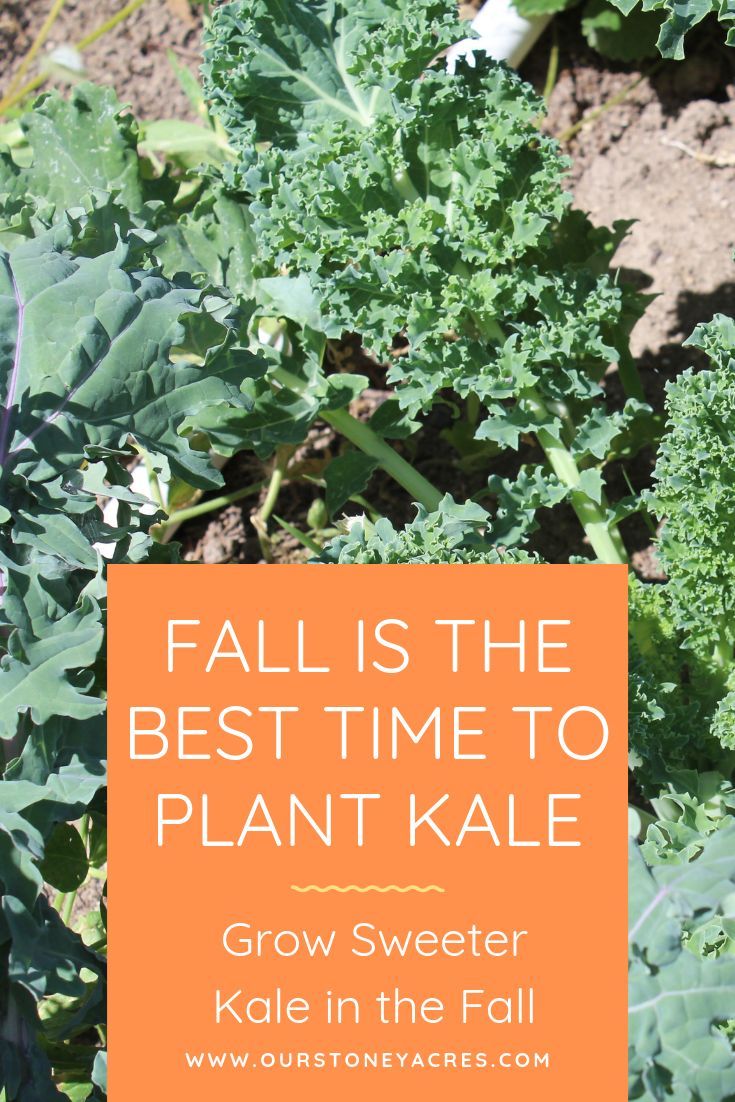
Fall's Bounty: Planting Kale for a Superb Harvest
Fall might seem like an unlikely time to plant, but for cooler-season crops like kale, it's the perfect season to get started. Kale thrives in the cooler...

Fall's Splendor: Planning Your Landscape for Vibrant Planting
As the leaves begin to turn and the air takes on a crisp chill, it's time to refresh your landscape with fall planting. Autumn provides an ideal climate for...

Fall Planting Guide: Can Hydrangeas Thrive in Autumn?
The timeless beauty of hydrangeas often begs the question: can hydrangeas be planted in the fall? With their stunning blossoms and ability to change color with...