Sedum Ground Cover: Hardy, Low-Maintenance Landscaping
Transform your garden's landscape effortlessly with the ever-popular choice of sedum ground cover. Native to various regions worldwide, sedums are beloved for their low-maintenance nature, exceptional drainage, and stunning visual appeal. This comprehensive guide delves into the world of sedum ground covers, highlighting their benefits, types, and care pointers to help you make an informed decision for your outdoor space.
With over 600 species to choose from, sedums, also known as stonecrops, are a diverse group of flowering plants that thrive in various soil conditions and climates. Their ability to survive in harsh, drought-like conditions and poor soil makes them an ideal choice for both beginner and expert gardeners alike. Read on to discover more about this versatile ground cover and how it can elevate your garden's aesthetics and functionality.
Understanding Sedum Ground Covers
Sedums are succulent perennials known for their thick, fleshy leaves filled with water, making them drought-tolerant and low-maintenance. They produce vibrant flowers in late summer to fall, attracting beneficial pollinators to your garden. Enhance your landscape's texture and color palette with sedum ground covers that can tolerate foot traffic and create a stunning contrast with other plants.


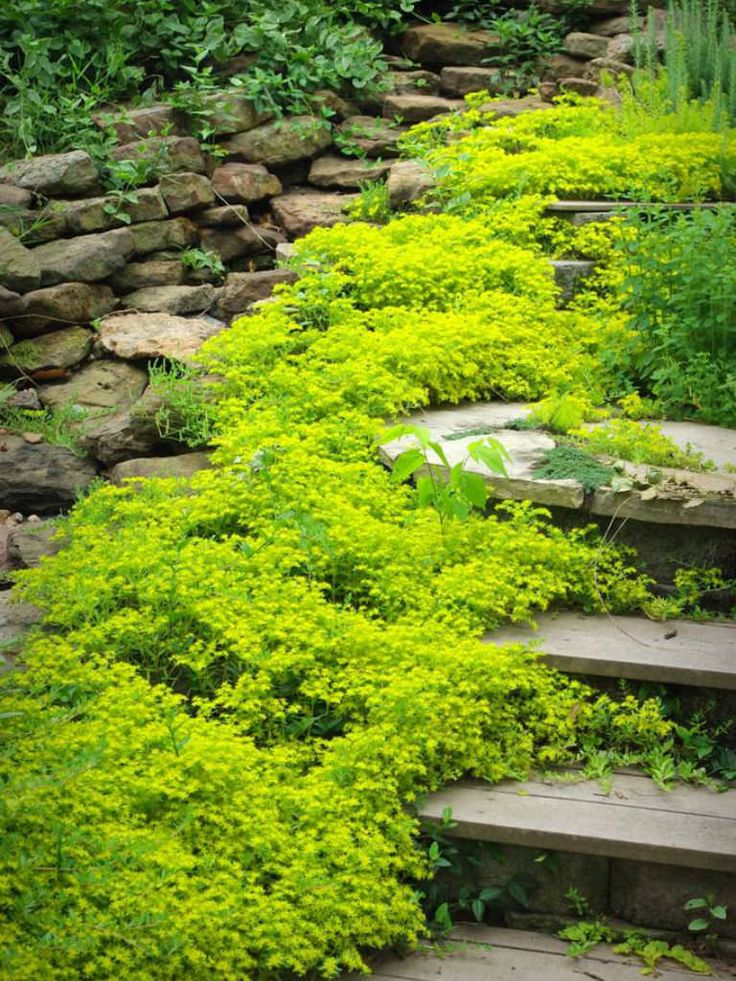
From creeping species perfect for border edging to those that form dense mats perfect for erosion control, sedums offer a solution for every garden niche. Their ability to thrive in partial shade and full sun makes them adaptable to various garden situations, while their tolerance for salt spray and poor soil conditions expands their usable range.
Key Benefits of Sedum Ground Covers
Low maintenance and drought-tolerant: Sedums require minimal watering, and once established, they can survive periods of drought without noticeable stress. Their ability to thrive in lean, poor-quality soil means they don't require constant fertilization or soil manipulation.


Ground stabilization and erosion control: Sedums' thick, interlocking leaf cells create dense mats that help stabilize soil, reducing the risk of erosion. Their strong root systems help prevent water runoff and contribute to soil nutrient retention. This makes them an excellent choice for sloping or recently disturbed areas in your garden.
Sedum Types: A World of Choices
A plethora of sedum varieties ensures you'll find the perfect match for your garden's unique requirements and desired aesthetics. Some popular types include:
- Mt. Airy Violet – a tough, low-growing sedum ideal for full sun and well-drained soil, sporting purple-violet flowers in late summer.
- Autumn Joy (Hylotelephium herbifolium) – a versatile, award-winning selection prized for its evergreen foliage and pinkish-red flower heads that age to coppery-bronze in fall.
- Dragon's Blood (Sedum spurium 'Dragon's Blood') – a striking, broadleaf sedum with crimson-tinted foliage and pinkish-purple flowers, perfect for adding fiery colors to shady spots.
Incorporating Sedums into Your Garden Design
Sedums' diverse growth habits, textures, and colors allow them to be incorporated into various garden styles, from contemporary to cottage-inspired. Consider their final size and spread when planning your garden layout to ensure they have ample space to spread and thrive.


Combining sedums with other plants creates stunning visual interest. Pair them with gravel or stone paths to establish a dry, rugged appearance, or mix them with ornamental grasses and other perennials for a lush, vibrant look. For a trained effect, use taller sedum varieties as backdrops or specimens.
Caring for Your Sedum Ground Covers
Planting: Select a well-draining site with partial to full sun. Prepare the soil by mixing in some organic matter, then plant sedums 6-12 inches apart, depending on the variety. Water after planting to help get them established, but avoid overwatering.
Maintenance: Once established, sedums require minimal care. Mulch around plants to suppress weeds and retain moisture. Remove spent flower stalks in late fall to early spring to encourage new growth. Divide plants every 3-5 years to rejuvenate growth and maintain plant uniformity.
Embrace the beauty and functionality of sedum ground covers, transforming your garden into a sustainable, low-maintenance sanctuary. With their breathtaking displays, exceptional drought tolerance, and easy care requirements, sedums are the perfect solution for gardeners seeking to create stunning outdoor spaces with minimal effort.
Related Articles
Sedum Ground Cover Plants: Low-Maintenance, Hardy Gardening Solutions
Imagine transforming your bare, drab outdoor spaces into lush, vibrant oases. Sedum ground cover plants are your secret weapons, offering stunning visual...

Ice Plant Ground Cover: Best Low-Maintenance Landscape Solutions
Ever dreamt of adding a touch of cool sophistication to your garden? Look no further than the ice plant ground cover, a hardy, vibrant solution that's as...

Jasmine Ground Cover: The Perfect Low-Maintenance Solution
The allure of lush gardens often begins with a blanket of vibrant green, and few plants can create this effect as beautifully as Jasmine ground cover. This...

Part-Sun Ground Cover: Top Plants for Low-Maintenance Gardens
Ever endured the frustration of a garden that's either too sunny or too shady for your plants? Part sun ground covers might just be your salvation. These...

Lamb's Ear Ground Cover: Beautiful, Hardy &TV76Low-Maintenance
都 sirvió como una alternativa atractiva y baja en mantenimiento al césped tradicional. De hecho, muchos jardineros lo consideran una de las mejores opciones de...

Low-Maintenance Trailing Plants: Ground Cover Ideas
Nestled close to the earth, trailing ground cover plants form a verdant carpet that softens the landscape and offers a range of benefits to the garden. From...