Sedum in Shade: Thriving in Low Light
Sedum, often overlooked, isn't just for sun-soaked gardens. If you think you need full sun to grow sedum, think again. This versatile genus offers many shade-tolerant species that can thrive in partial shade to full shade. Let's delve into the world of 'shade-loving' sedum.
Sedum, belonging to the Crassulaceae family, is renowned for its fleshy leaves that store water, making them drought-tolerant and low-maintenance. These attributes extend to many shade-tolerant species, offering a range of green to purple leaves and small, star-shaped flowers that attract pollinators.
Understanding Shade-Tolerant Sedum
Understanding your garden's light conditions is key to selecting the right sedum. Partial shade typically means the area receives 3 to 6 hours of sunlight daily, while full shade means it gets less than 2 hours. Let's explore some shade-tolerant sedum options.


Remember, even shade-loving sedum benefits from a few hours of sunlight. They just need protection from intense, midday sun and can thrive in dappled shade under trees or near north-facing walls.
Sedum 'Angelina'
Also known as 'Frostednur', this selection is a favorite for its vibrant, chartreuse foliage that turns fiery-orange in fall. It grows up to 6 inches tall and 24 inches wide, producing clusters of yellow flowers in summer. 'Angelina' tolerates partial to full shade once established.


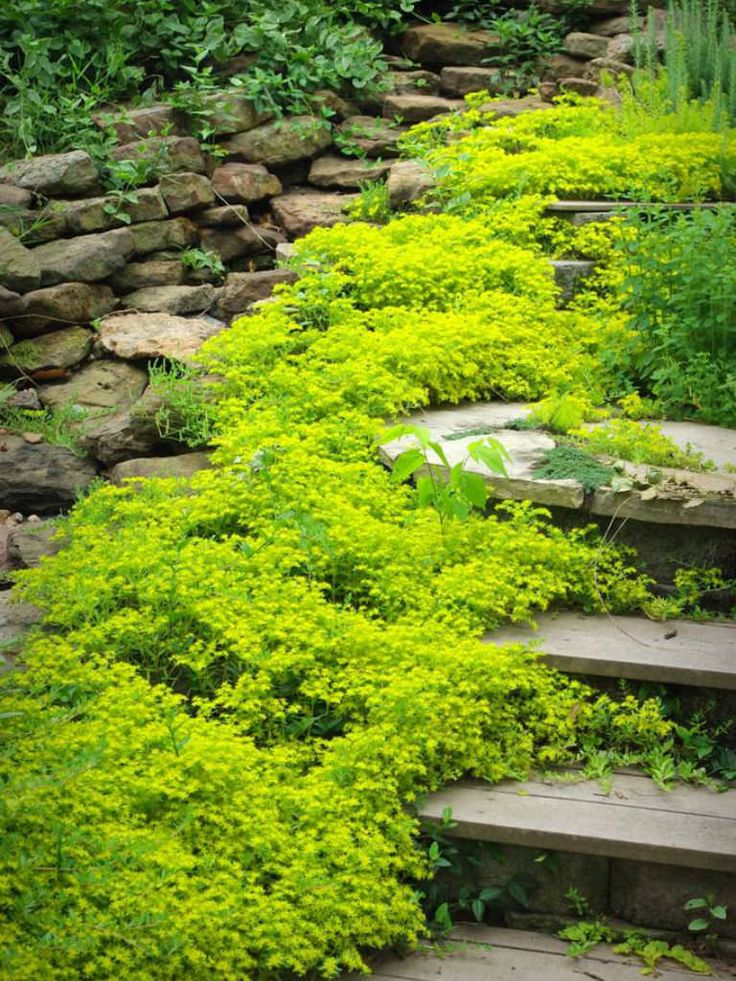
Tip: Combine 'Angelina' with other shade-loving plants, like hostas or ferns, for a dynamic, multitextured planting bed.
Sedum 'Autum Navlage'
'Autumn Joy' is a classic, robust sedum with Leave, claret-purple flower clusters that age to a honey-bronze hue. It thrives in partial shade and grows up to 18 inches tall and 24 inches wide. This variety delivers season-long interest and is drought-tolerant once established.
Fun fact: 'Autumn Joy' is a popular choice for drunk gardens, providing long-lasting, winter-interest clusters that artists use in wreaths and other seasonal decorations.


Cultivating Shade-Tolerant Sedum
Growing shade-tolerant sedum follows these key steps: choose the right location, prepare the soil, plant, and maintain.
First, select a location with the appropriate light conditions. Next, prepare the soil by removing weeds and incubating organic matter. Sedum prefers well-draining soil but can adapt to various soil types. Plant sedum in spring or fall, spacing plants 12 to 18 inches apart.
Watering and Maintenance
Water sedum consistently the first year to help establish robust root systems. Once established, sedum is drought-tolerant and will require minimal watering. To maintain a neat, mounding shape, shear back sedum in late winter or early spring, removing old foliage and encouraging new growth.
Monitor sedum for """ associated issues, including powdery mildew, pests like aphids, and root rot due to excessive moisture. Proper cultivation practices, like pruning and providing adequate drainage, can help manage these issues.
Dividing and Propagating
To propagate, divide mature sedum plants in early spring or fall. First, remove the plant from the soil and gently tease apart the roots. Then, cut or break the plant into smaller sections, ensuring each division has a healthy root system and robust growth points. Replant the divisions and care for them as you would established sedum.
Alternatively, propagate sedum from leaf or stem cuttings in spring or summer. Remove a healthy leaf or stem tip, place it in well-draining potting mix, and keep it moist until roots form (usually 2 to 4 weeks). Once rooted, transplant the new sedum into prepared garden soil.
Embrace the charm of sedum in shade, and you'll be rewarded with low-maintenance, attractive plants that enhance your garden's beauty and resilience. Happy gardening!
Related Articles

Wisteria in Shade: Welcoming the Purple Beauty into Partial Light Gardens
Imagine standing under the atmospheric canopy of wisteria, its lavender cascades gently embracing you as if in a secret, serene world. But what if this...

Coleus: Thriving in Shade or Sun
Dappled light filtering through the leaves, the sway of fronds in the breeze, the vibrant hues of foliage - no wonder we spend so much time debating the ideal...

Shade-Loving Flowers: Find the Perfect Blooms for Low Light
Are you dreaming of a lush, verdant garden but worried about direct sunlight scorching your plants? Fear not, for there are numerous gorgeous flowers that...

Begonias Thriving in Shade
Imagine transforming your shady garden into a vibrant space filled with lush, eye-catching plants. Begonias, with their showy flowers and decorative leaves...

Shade-Loving Plants: Secrets to Growth in Low Light
Do you often wonder why some lush greenery thrives in seemingly dim and shaded environments, while others wilt in the same conditions? The secret lies in the...

Thriving Shade: The Hardiest Small Sunlight-Free Plants
Did you know there are small plants that can thrive even in the darkest corners of your home? These remarkable plants, often referred to as shade-loving or...