Maximize Yields: Top Veggie Growing Hacks
Growing vegetables at home can be a rewarding experience, rewarding you with fresh, organic produce for your meals. However, it's not always easy, and much can depend on your environment and the amount of time and effort you can dedicate. Fortunately, there are numerous veggie growing hacks that can help make the process more efficient and enjoyable. In this article, we'll share some ingenious tips and tricks to boost your gardening game and ensure a bountiful harvest.
Whether you're a seasoned gardener or just starting out, understanding your plants is key to successful veggie growing. This involves researching the vegetable varieties best suited to your climate, the correct sowing times, and each plant's specific needs. It's also crucial to choose the right growing method – whether it's in raised beds, containers, or directly in the ground. Let's delve into these aspects and more as we explore the world of veggie growing hacks.
Understanding Your Veggies
Every vegetable has its unique requirements, and understanding these can significantly impact your harvest. Some plants love the heat, while others thrive in cooler temperatures. Some appreciate a constant supply of water, while others prefer their soil to dry out between drinks.


Take, for instance, tomatoes. They need plenty of sun, consistent warmth, and well-draining soil. On the other hand, lettuce prefers cooler temperatures and can tolerate some shade. By catering to these specific needs, you'll be well on your way to veggie gardening success.
Choose the Right Variety
selecting the right vegetable variety can make a huge difference. Some varieties are more disease-resistant, others more heat-tolerant, and some simply produce more kilos per square meter. Research your options, read seed packets, and ask fellow gardeners for their recommendations.

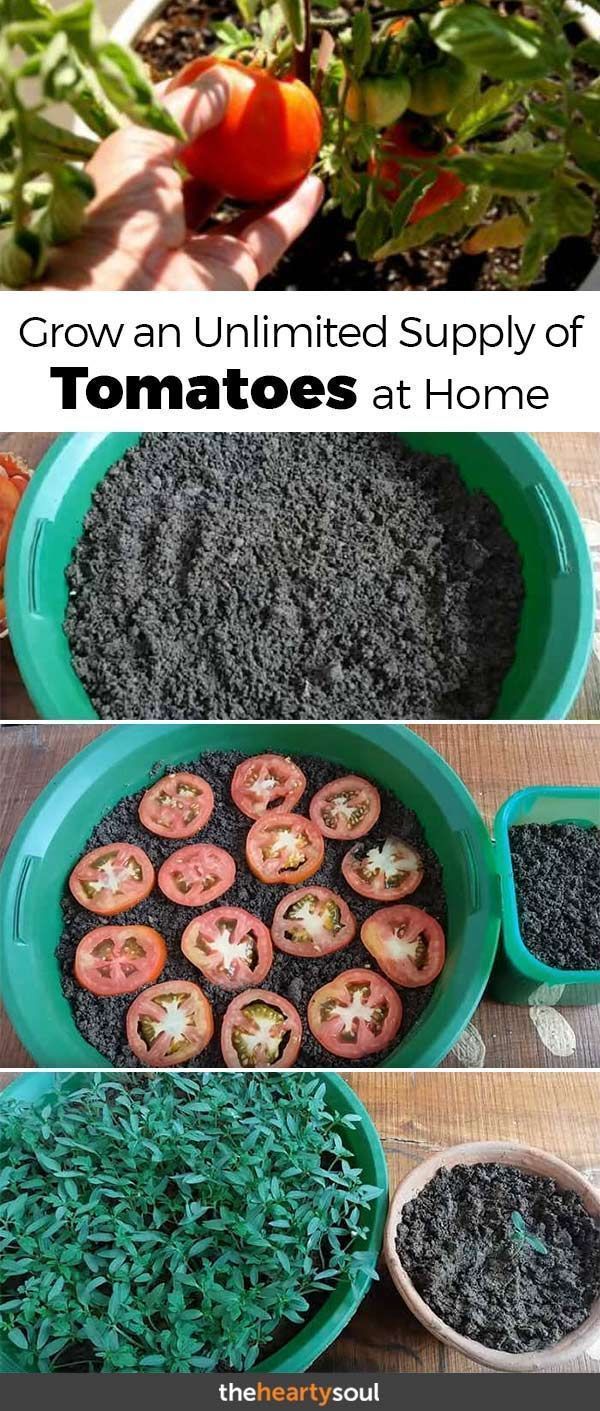

For example, if you're in a warmer climate, try varieties like 'Heatwave' bush beans or 'Cayenne' peppers. If you live in a cooler region, consider 'Winterbor' kale or 'Red Russian' kale. And if you're short on space, opt for bush varieties instead of climbers, or consider vertical growing options.
Plant at the Right Time
Timing is everything in veggie growing. Different vegetables can only germinate and grow within specific temperature ranges. Most seeds should be planted when daytime temperatures are consistently between 18°C and 24°C. However, there are always exceptions – like root vegetables, which prefer cooler soil.
Always check the back of your seed packets for sowing information tailored to your region. For reliable guidance, consider getting a local gardening book or consulting your local nursery. They can provide season-specific advice, helping you make the most of your region's climate.


Choosing the Right Growing Method
The method you choose for growing your veggies largely depends on your space, budget, and available time. Each method has its pros and cons, and some are better suited to certain plants than others.
Let's explore some popular growing methods and when to use them:
Raised Beds
Raised beds are ideal for areas with poor soil or drainage issues. They allow for better control of soil composition, easier harvesting, and can help prevent pest and disease problems. However, they require more upfront materials and maintenance.

Raised beds work great for root vegetables like carrots and beets, as well as for growing space-thrifty plants like radishes and greens.
Containers
Container gardening is perfect for balcony or patio dwellers, and for those with mobility issues. It's also helpful for keeping critters away from your crops. However, containers require more frequent watering and can be more expensive than in-ground or raised bed methods.
Containers are excellent for herbs, greens, and small fruiting plants like peppers and lettuce. Just ensure your pots are large enough for your plants' root systems and have proper drainage.
In-Ground Growing
If you have good quality soil and adequate space, growing directly in the ground may be your best bet. It requires less upfront investment and tends to be more sustainable and eco-friendly. However, it can be harder to control soil composition and more susceptible to pests and diseases.
In-ground growing is best for larger plants like tomatoes, zucchini, and corn, and for plants that benefit from deep rooting, like potatoes and leeks.
Advanced Veggie Growing Hacks
By now, you've got a good understanding of how to grow veggies effectively. But are you ready to take your garden to the next level? Here are some advanced hacks to maximize your harvest and minimize your effort:
succession Planting
Succession planting involves scheduling your plantings so one crop follows another in the same space throughout the growing season. This technique allows for a continuous harvest and makes the most of your garden space.
For example, after harvesting your early-season crops like radishes or lettuce, you can replace them with warm-season vegetables like beans or cucumbers. Just ensure the new crop has compatible soil and light requirements.
Companion Planting
Companion planting involves strategic plant pairing based on their compatibility and benefits to each other. By using this method, you can deter pests, improve plant health, and even enhance flavors.
For instance, plant marigolds with tomatoes to repel pests. Place basil near tomatoes to improve their growth and taste. And consider planting onions or garlic with carrots to deter carrot rust flies.
Now that we've explored the world of veggie growing hacks, it's time to roll up your sleeves and get started. Whether you're a seasoned gardener or a first-timer, there's always more to learn and master. So, happy growing, and remember, every seed planted is a step towards a more sustainable, delicious, and rewarding future.
Related Articles

Maximize Yields: Ideal Field Peas Growing Conditions
Field peas, a vital crop in many parts of the world, are a type of legume that, in addition to being a great source of protein and nutrition for humans, also...

Maximize Yields: 15 creative Pole Bean Growing Ideas
Embarking on a pole bean growing journey? You're in for a rewarding experience! Pole beans, with their climbing nature and prolific yield, are a gardener's...

DIY Bedroom Storage Hacks: Maximize Space on a Budget
Got a cluttered bedroom? It's time to claim back your sleep space with some clever DIY bedroom storage ideas! Whether you're low on square footage or simply...

Coriander Growing Period: Maximize Harvest with These Timelines
Coriander, also known as cilantro, is a versatile herb widely used in various cuisines around the world. Growing your own coriander not only ensures a fresh...

Maximize Your Harvest: The Ultimate Pumpkin Growing Guide
Autumn's crisp air and vibrant hues inspire thoughts of pumpkin spice lattes and jack-o'-lanterns. But have you ever considered growing your own pumpkins? It's...

Maximize Your Strawberry Harvest: Secrets for Growing Bigger Fruit
The delightful discovery of a supersized strawberry in your garden can be the highlight of any day, making growing bigger strawberries a worthwhile endeavor...