When to Plant Kale in the Fall
Transitioning your garden from summer to fall can be an exciting time, especially if you're eager to plant cool-season crops like kale. But when exactly is the best time to plant kale in the fall? Let's dive in.
In autumn, there's a sweet spot for planting kale, as it loves cooler temperatures and can even withstand light frost. If you've ever wondered about the perfect timing, read on. We'll explore optimal planting dates, factors to consider, and the benefits of fall planting for this hardy green.
Understanding Fall Planting Zones
Before we delve into the specifics, let's briefly discuss planting zones. The U.S. Department of Agriculture (USDA) Plant Hardiness Zone Map is a great resource for determining your zone, which helps you understand the average minimum winter temperatures in your area. This information will guide your fall planting decisions.
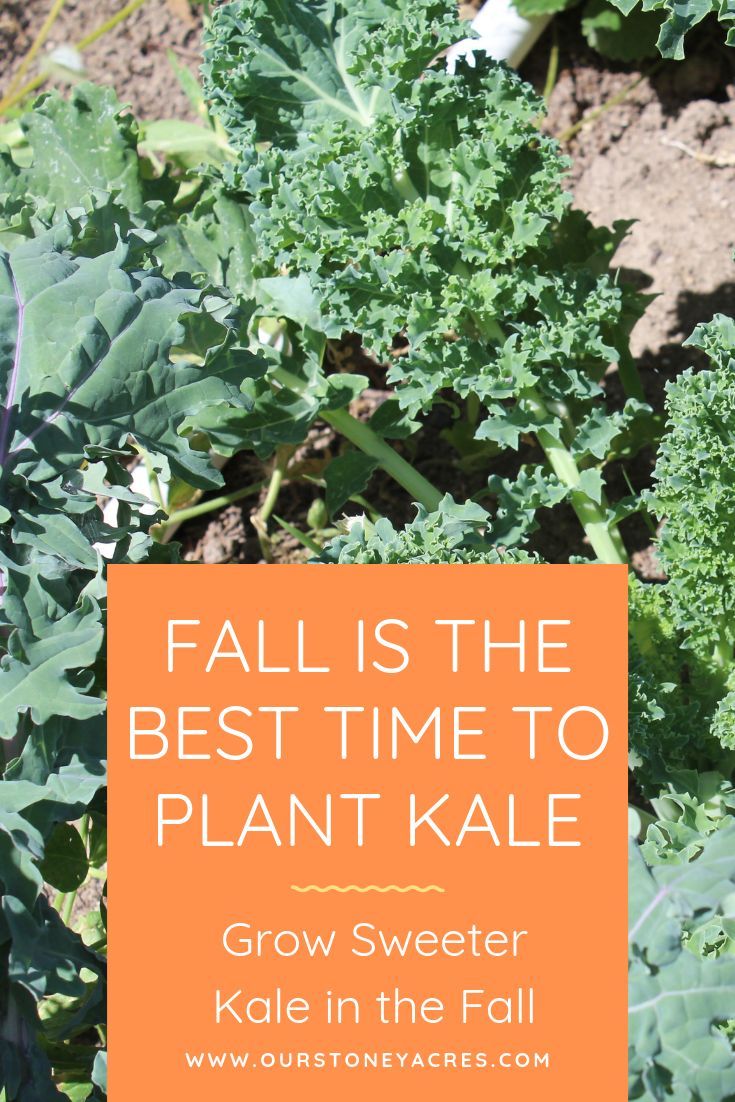


For instance, in zones 3-5, the first fall frost typically occurs in late August to early October. In zones 6-8, it's mid-to-late October, and in zones 9-11, it's November or even December. Now that we've set the stage, let's discuss optimal planting times.
When to Start Seeds Indoors
For a head start, you can begin planting kale seeds indoors 4-6 weeks before your average first fall frost date. This allows your seedlings to establish a strong root system before being transplanted into your garden. Keep in mind that kale grows relatively slowly, so the earlier you start, the more time it has to mature.


Use seed-raising mix in a shallow container with drainage holes. Plant seeds ¼ inch deep, keep them consistently moist, and aim for a temperature between 65-75°F (18-24°C) for optimal germination.
Optimal Outdoor Planting Time
The best time to plant kale directly in your garden is 2-3 weeks before your average first fall frost. This cold-hardy crop can handle some light frost, so you can even plant it up to a week after the first frost if temperatures stay above freezing. By doing so, kale will be well-established and ready to face winter chills.
Consider succession planting, too. Kale is a cut-and-come-again crop, meaning it regrows leaves after harvesting. Plant additional seeds every 3 weeks until 4-6 weeks before the first expected snowfall to ensure a continuous harvest throughout fall and winter.


Factors Influencing Fall Planting
While fall planting is generally advised for kale, a few factors may influence your specific planting time:
- Varieties: Different kale varieties have varying maturity rates. Fall planting enthusiasts often choose early-maturing or quick-growing varieties.
- Day length: Many cool-season crops, including kale, respond to decreasing day length. They'll start to grow more rapidly as days shorten, so waiting until late summer or fall can be beneficial.
- Garden conditions: If your garden soil is poor or lacks adequate moisture, consider enriching it with compost and ensuring consistent watering before planting.
Benefiting from Fall Planting
By planting kale in the fall, you can enjoy several advantages:
- Pest and disease resistance: Cool temperatures discourage pests and reduce the risk of disease.
- Improved flavor: Kale tastes sweeter after enduring a light frost, which breaks down its starches and makes it more palatable.
- Winter harvest: With proper protection, you can harvest kale throughout winter, providing fresh, homegrown greens when other crops are scarce.
In conclusion, fall planting maximizes your kale harvest and secures a steady supply of fresh greens throughout the cooler months. Determine your optimal planting time based on your zone and local climate, and enjoy your garden's productivity well into the year's final stretch. Happy fall gardening!

Related Articles

Fall Bulb Planting Guide: When & What to Plant in Zone 5
The crimson and gold hues of autumn might signal the end of gardening season for some, but for savvy horticulturalists, it's the perfect time to plant fall...

Plant Spinach in Fall: Timing and Tips
Embracing the cooler temperatures, fall offers a unique opportunity for gardeners to cultivate fresh, nutrient-rich spinach. Planting spinach in fall not only...
Fall Planting Guide: Best Time to Plant Bulbs in Zone 6
The arrival of autumn marks the perfect time to start thinking about next spring's blooms. For gardeners in Zone 6, planting fall bulbs is a fall task that...
Optimal Timing: Plant Kale in Zone 7 - A Season-by-Season Guide
Embarking on your vegetable gardening journey in Zone 7? Kale, that tough and tasty green, is an excellent choice for a cold-weather crop. But when should you...

When to Plant Seeds for Maximum Success
Timing is everything, especially when it comes to planting seeds. The time and season can directly impact the success of your garden, as different plants have...

Timing Your Plot: When to Plant Hyacinth Beans
Hyacinth beans, also known as Egyptian beans or lablab beans, are a delightful addition to any garden, boasting attractive flowers and extra-large leaves. The...