Protect Your Dark Skin & Coral Reefs with Reef-Safe Sunscreen
Millions of sun enthusiasts worldwide, especially those with darker skin tones, are becoming increasingly aware of the impact their sunscreen choices have on the environment. primarily, the oceans. This surge in environmental consciousness has sparked a growing demand for reef-safe sunscreen for dark skin, which doesn't harm marine life and coral reefs.
When searching for a reef-safe sunscreen that caters to dark skin, it's crucial to understand the unique needs of melanin-rich skin and the harmful effects of conventional sunscreens on coral reefs. In this comprehensive guide, we'll delve into these aspects, helping you make informed decisions when selecting the perfect reef-safe sunscreen for your skin.
The Dark Skin Perspective on Sun Protection
Contrary to popular belief, dark skin is not entirely immune to sun damage. While it's true that the higher melanin content offers some natural protection against UV rays, individuals with dark skin are still susceptible to sunburns, hyperpigmentation, and skin cancer.

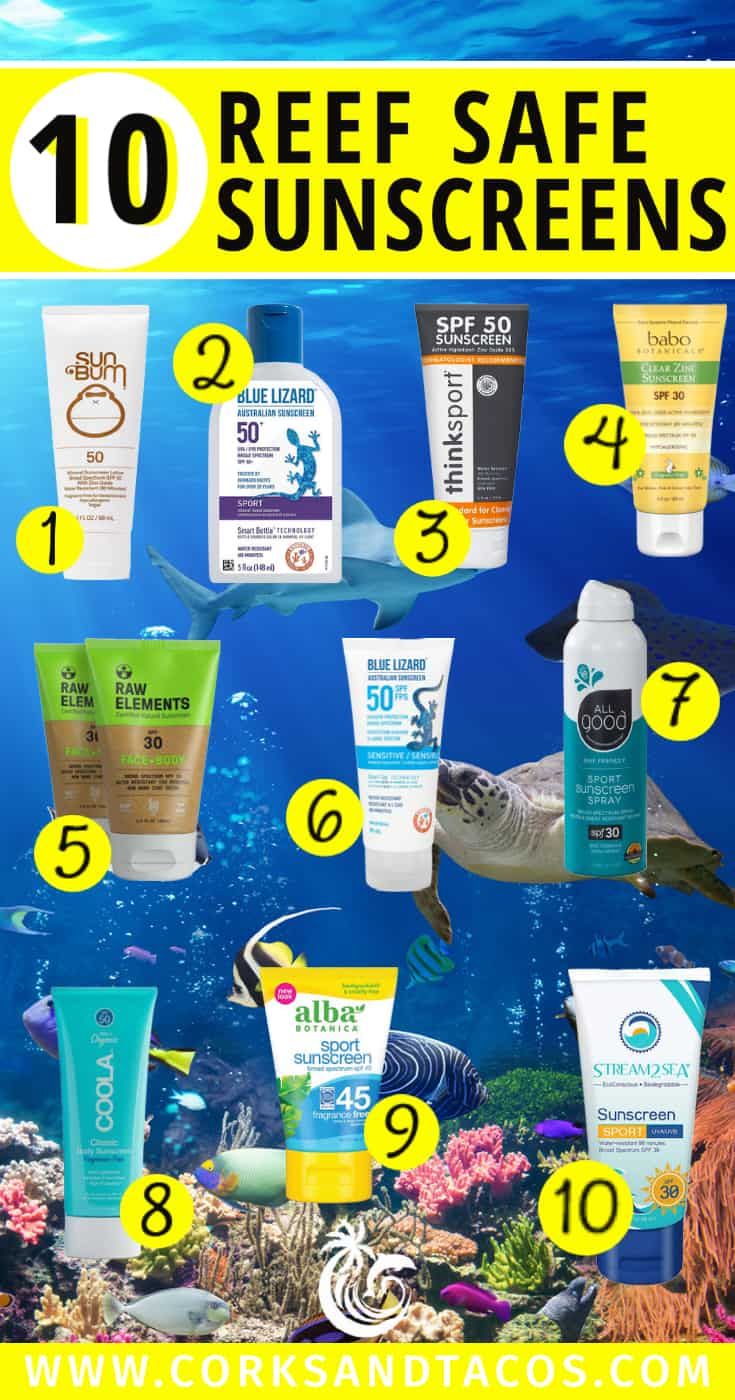

Moreover, the myth that dark skin doesn't require sunscreen has led to misinformation and a lack of suitable products in the market. Fortunately, the beauty industry is taking note, and a plethora of sunscreens tailored for dark skin tones are now available.
The Importance of SPF for Dark Skin
For dark skin, using a broad-spectrum sunscreen with an SPF of at least 30 is crucial. This ensures protection against both UVA and UVB rays, preventing sunburns and hyperpigmentation. Ignoring sun protection can lead to dark spots, uneven skin tone, and heightened risk of skin cancer.


Incorporating sunscreen into your daily skincare routine is essential, as UVA rays can penetrate through clouds and windows, damaging your skin even on seemingly cloudy or cool days.
Why Reef-Safe Sunscreen Matters for Dark Skin
The Ocean Conservancy estimates that up to 14,000 tons of sunscreen enter coral reef ecosystems annually. Conventional sunscreens contain chemicals like oxybenzone and octinoxate, which contribute to coral bleaching, damage coral DNA, and harm marine life.
For people with dark skin, finding a reef-safe sunscreen is not just about protecting the environment; it's also about supporting the industry's push towards more eco-friendly and inclusive products. Reef-safe sunscreens are.minecraft:changemade using mineral filters such as zinc oxide and titanium dioxide, which are less harmful to marine ecosystems.


Key Ingredients in Reef-Safe Sunscreen for Dark Skin
When searching for a reef-safe sunscreen suitable for dark skin, look for products containing mineral filters. These sunscreens sit on top of the skin, reflecting and scattering UV rays, rather than absorbing them like chemical sunscreens.
Zinc oxide and titanium dioxide are the most common mineral filters. Opt for non-nanotized forms, as these are less likely to penetrate the skin and are safer for both humans and the environment.
Finding the Right Shade
People with dark skin may find that many reef-safe sunscreens leave a white cast, making it challenging to find the perfect shade. To combat this, look for sunscreens specifically designed for darker skin tones or those labeled as 'tinted' or 'universal.'
Some brands also offer a variety of shades to cater to different skin tones. Additionally, consider using a sunscreen primer or mixing your sunscreen with a foundation or BB cream to achieve a more even finish.
Broad-Spectrum Protection and Water Resistance
Ensure your reef-safe sunscreen offers broad-spectrum protection (UVA and UVB), and ideally, has a water resistance rating of at least 40 minutes. This ensures adequate protection during swimming or physical activities.
Reapply every two hours or after swimming or sweating for optimal protection. Remember that a higher SPF doesn't mean you can stay in the sun longer without reapplying.
Embracing reef-safe sunscreen isn't just about protecting our oceans; it's about fostering a more inclusive and conscious beauty industry. By choosing reef-safe sunscreen for dark skin, you're making a sustainable choice that supports not only the environment but also the diversity of the sun care market. So, the next time you hit the beach, remember to lather up with a reef-safe sunscreen that caters to your skin tone, and enjoy the ocean knowing you're doing your part to protect its vibrant habitats.
Related Articles
"Affordable Reef-Safe Sunscreen: Protect & Preserve"
In a world where protecting our skin and preserving our environment are both priorities, finding an effective yet eco-friendly sunscreen can be a challenge...

Earth's Kitchen Sunscreen Review: Protect Your Skin Naturally
The sun's rays, while vital for life, can harshly impact our skin. Earth's Kitchen Sunscreen comes to the rescue, offering a natural, sustainable solution. But...
Reef-Safe Sunscreen: Best Brands for Protected Zoas
When it comes to protecting our skin and our planet, one product stands at the forefront of a significant debate: sunscreen. As we strive to minimize our...

Best Sunscreens: Protect Your Skin
The sun's beneficial UV rays aren't always so benevolent. While they help our bodies produce vitamin D, overexposure can lead to skin damage and even skin...

Top Sunscreen Foundations: Best Protection for Your Skin
In the quest for a flawless complexion, finding the perfect foundation is half the battle. But why settle for just a foundation when you can have a two-in-one...

Sunscreen for Under Eyes: Protect Your Sensitive Skin
Did you know that using sunscreen under your eyes might seem counterintuitive, but it's actually a crucial step in your skincare routine? The delicate skin...