Reef-Safe Sunscreen: Best Brands for Protected Zoas
When it comes to protecting our skin and our planet, one product stands at the forefront of a significant debate: sunscreen. As we strive to minimize our environmental impact, many are wondering what brand of sunscreen is reef safe, given the rising concern about the harmful effects of certain sunscreen ingredients on corals. Let's delve into this critical topic, exploring what makes a sunscreen reef safe, and highlighting some of the top brands committed to marine conservation.
First, it's crucial to understand why reef safety matters. Recently, scientific studies have discovered that certain chemical UV filters, namely oxybenzone and octinoxate, present in many sunscreens, contribute to coral bleaching and damage our ocean's fragile ecosystems. These chemicals mimic the hormone estrogen, causing gender confusion in corals, and fostering the growth of calcifying algae that can cause coral skin disease. With this awareness, many sun worshippers and environmental advocates are switching to mineral-based, reef-safe sunscreens to safeguard our oceans.
Understanding Reef-Safe Sunscreen
To be considered reef safe, sunscreens must be free from oxybenzone and octinoxate, as these chemicals are directly linked to coral harm. Instead, reef-safe sunscreens rely on mineral filters like zinc oxide and titanium dioxide, which are broader spectrum, non-nano, and less toxic to marine life. However, not all mineral sunscreens are created equal, and it's essential to look for non-nano versions, as these are less likely to cause harm to aquatic organisms.
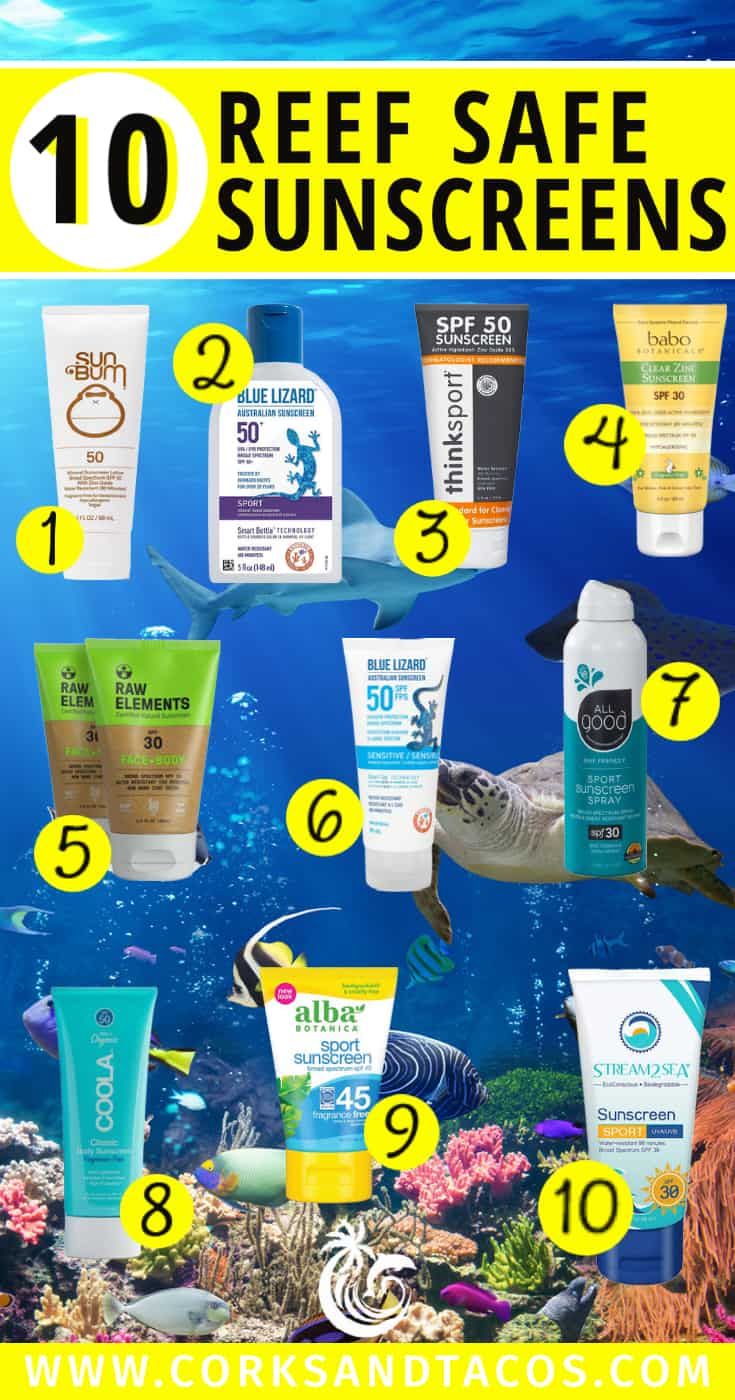


In addition to checking the active ingredients, evaluating a product's biodegradability and overall environmental impact can help ensure you're choosing a genuinely sustainable sunscreen. Opt for products with a low environmental footprint, and remember thatucoos (stable, safe, and analytical methods) are available for evaluating a sunscreen's environmental impact.
Sun Bum: Reef-Friendly with Style
Sun Bum is an industry leader in reef-safe sunscreen, offering an extensive range of SPF products free from both oxybenzone and octinoxate. Their mineral-based formulas are infused with soothing and nourishing coconut oil, avocado oil, and vitamin E, making them gentle on sensitive skin. Moreover, Sun Bum is deeply committed to preserving our oceans, donating a portion of their proceeds to ocean conservation efforts via their signature "Save a deres" initiative.


Sun Bum's reef-safe lineup includes lotions, sprays, and lip balms with SPF values ranging from 15 to 50, catering to various skin types and activities. Their products are widely available, both online and in retail stores, making them an excellent choice for eco-conscious consumers seeking convenience and variety.
Thinksport: High Performance, Low Impact
Thinksport sets the industry standard for reef-safe sunscreen, earning top honors from the Environmental Working Group (EWG) and passing rigorous biodegradability tests. Their sunscreen is durable, water-resistant for up to 80 minutes, and packed with nourishing organic ingredients like Vega€™s Essential Oils and sunflower oil.
Their line-up includes a variety of SPF levels, from 30 to 50, in both lotion and continuous spray forms. While Thinksport sunscreens are corn-based and biodegradable, they are not certified organic, demonstrating the brand's dedication to safety and effectiveness over labeling. Additionally, Thinksport offers a money-back guarantee, ensuring consumer confidence in their products.


Checking Ingredients: A Brief Guide
When evaluating sunscreens for reef safety, be sure to scrutinize the active and inactive ingredients listed on the bottle. Reef-safe sunscreens should feature non-nano, zinc oxide, or titanium dioxide as their main mineral filters. Avoid products containing oxybenzone, octinoxate, octocrylene, homosalate, octisalate, and avobenzone, as these chemical filters are linked to coral harm.
While many brands market their products as reef safe, it's essential to verify their claims by examining the ingredient list on the packaging. Some products may use misleading labels or marketing to sway consumers, so always check the fine print and look for third-party certifications, such as EWG's recommendation or the Blue Mussel Seal, to ensure your sunscreen meets reef safety standards.
Reef Pal: Coral Conservation in a Bottle
Reef Pal is an innovative, eco-conscious brand that caters specifically to divers, snorkelers, and water sport enthusiasts. Their product line includes lotions and travel-sized minis, all formulated with non-nano, zinc oxide, and certified organic ingredients. Reef Pal is also heavily invested in ocean conservation, donating a portion of proceeds to support coral reef research and restoration efforts.

Reef Pal's sunscreens are biodegradable, using recyclable packaging, and Vanessa€™ organic ingredients to create a gentle, broad-spectrum product that's tough on UV rays but kind to the environment. The brand offers SPF 30, with a slight tint to provide an even tone to the skin, ideal for those with fair skin or red undertones.
Badger: Trusted by Eco-Consumers for Decades
Badger is ancertified B Corp and leader in safe, non-toxic personal care products, offering an impressive range of reef-safe sunscreens. Their mineral-based formulas are hypoallergenic and certified organic, using non-nano, zinc oxide as their active ingredient. Badger's commitment to environmental stewardship and social responsibility is evident in their packaging and product sourcing, prioritizing eco-friendly materials and reducing their carbon footprint.
Badger's reef-safe lineup includes lotions, balms, and SPF 35 sports sunscreen, with SPF values ranging from 15 to 35+. Their products are also fragrance-free, making them an excellent option for those with sensitive skin or scent allergies. Additionally, Badger offers a convenient sunscreen kit, perfect for travelers and outdoor adventurers seeking a complete reef-safe sun protection solution.
As our awareness of the environmental impact of sunscreens grows, so too does our responsibility to choose reef-safe products. By opting for brands committed to marine conservation and using non-toxic, mineral-based ingredients, we can safeguard our ocean's precious coral reef ecosystems for generations to come. The next time you hit the beach or the slopes, remember your sunscreen can make a real difference - choose reef safe, and help protect our oceans one bottle at a time.
Related Articles

Best Waffle Maker Brands: Top Picks & Buying Guide
Are you on the hunt for the perfect waffle maker but find yourself overwhelmed by the plethora of brands available? You're not alone. With so many options, it...

Best Windows Brands: Top Ratings & Reviews
If you're in the market for new windows, you've probably found yourself asking, "What brand of windows are the best?" After all, windows play a pivotal role in...

Protect Your Dark Skin & Coral Reefs with Reef-Safe Sunscreen
Millions of sun enthusiasts worldwide, especially those with darker skin tones, are becoming increasingly aware of the impact their sunscreen choices have on...
Most Affordable Reef-Safe Sunscreen: Eco-Friendly Sun Protection
Embarking on a coral reef adventure? Don't forget to pack your sunscreen, but wait! Not all sunscreens are friendly to our marine friends. Choosing the most...
"Affordable Reef-Safe Sunscreen: Protect & Preserve"
In a world where protecting our skin and preserving our environment are both priorities, finding an effective yet eco-friendly sunscreen can be a challenge...
Sunscreen Brands That Save Reefs
The sun's rays may be life-giving, but they can also be harmful, especially to our coral reefs and marine life. This is why it's crucial to opt for reef-safe...