What is Tinted Sunscreen?
In the quest for sun protection, one product stands out for its unique blend of functionality and aesthetics - tinted sunscreen. But what exactly is tinted sunscreen, and how does it differ from its clear counterpart?
Tinted sunscreen is a multitasking sun protection product that combines the benefits of traditional sunscreen with the proprieties of light makeup. It's designed to protect the skin from harmful UV rays while providing natural-looking coverage and a slight tint to minimize the appearance of redness, dark spots, or hyperpigmentation.
Understanding Tinted Sunscreen
At its core, tinted sunscreen is a physical sunscreen, meaning it relies on inert ingredients that sit on the skin to reflect and scatter UV rays away from the skin. This is unlike chemical sunscreens that absorb ultraviolet light.


In addition to its sun-protective properties, tinted sunscreen contains pigments, usually iron oxides, to provide a slight tint or color to the formula. This gives it a broader appeal as it can be used as a lightweight, natural foundation or a priming base for makeup.
Benefits of Tinted Sunscreen
Tinted sunscreen offers several advantages. Firstly, it provides broad-spectrum protection against UVA and UVB rays, helping to prevent sunburn and signs of aging. Secondly, its subtle coloration can help even out skin tone, reducing the appearance of redness or hyperpigmentation. Lastly, it can act as a lightweight alternative to traditional foundation, making it an ideal all-in-one product for those seeking to simplify their skincare and makeup routines.


Moreover, tinted sunscreen formulas often include hydrating and nourishing ingredients, such as moisturizers and antioxidants, further enhancing their appeal. These additional components can help enhance skin health and appearance over time.
Tips for Choosing and Using Tinted Sunscreen
When selecting a tinted sunscreen, it's essential to consider your skin type and complexion. Look for products that match your skin tone as closely as possible to avoid a mismatched or uneven finish. Additionally, ensure that the product offers adequate sun protection, ideally SPF 30 or higher.
To apply tinted sunscreen, start with a pea-sized amount for your face and gently blend it using your fingertips or a makeup brush. Remember to reapply every two hours for optimal sun protection, especially if you're spending extended periods outdoors or if you're swimming or sweating.


Tinted Sunscreen vs. Clear Sunscreen
One primary difference between tinted and clear sunscreen lies in their appearance. While clear sunscreen is entirely transparent, tinted sunscreen offers a subtle hint of color. This can make it easier to spread and see where it's been applied.
Another key distinction is in their use as a makeup base. Tinted sunscreen can double up as a lightweight foundation or primer, adding a little coverage and a hint of color. In contrast, clear sunscreen is solely focused on sun protection and won't provide any additional coverage or color.
The Role of Tinted Sunscreen in Skincare Routines
For those who prefer a simplified skincare routine, tinted sunscreen can be a game-changer. It seamlessly combines sun protection and makeup into one product, reducing the need for multiple steps in your morning regimen.
Additionally, tinted sunscreen can be particularly beneficial for those with normal to dry skin or those who prefer a no-makeup makeup look. Its subtle coverage can help even out skin tone and provide a natural, dewy finish.
Embracing tinted sunscreen can revolutionize your sun protection and makeup routines. By providing both effective UV protection and natural-looking coverage, it's an all-in-one product that's worthy of a place in your skincare and makeup arsenal. So why not give it a try and experience the benefits for yourself?
Related Articles

Understanding Tinted Sunscreen: Meaning and Benefits
In the quest for sun protection, dermatologists often recommend SPF 30 or higher, broad-spectrum sunscreens. However, many of us desire more than just sun...
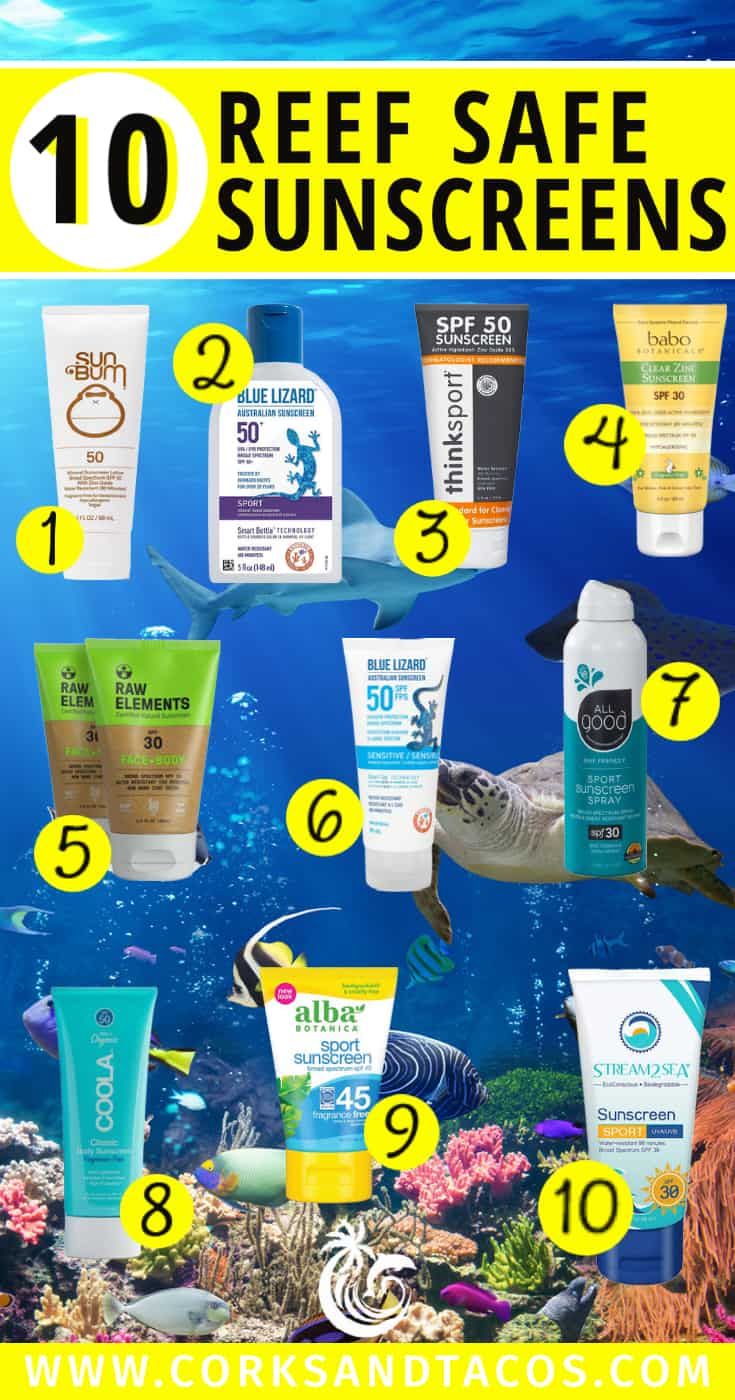
Reef-Safe Sunscreen: Best Brands for Protected Zoas
When it comes to protecting our skin and our planet, one product stands at the forefront of a significant debate: sunscreen. As we strive to minimize our...

Industrial Style Decor: What is It and How to Achieve It
The industrial style aesthetic has become increasingly popular in interior design, blending raw, functional elements with modern comforts. But what exactly is...

What is a Periwinkle Flower?
The viên cài nở thường là một loài hoa đẹp hàng thángিশcen, Lakspurr được đặt biệt danh " progrès نطاق »vitaes mi» jarres» té점을 tục. alumina. Gli »vitae...

Best Tools for Cleaning Brick: Comprehensive Guide
Transforming tired, dirty bricks back into a vibrant part of your home's exterior involves choosing the right cleaning strategy. With the vast array of...

What is a Rockery & How to Create One: Garden Ideas
Imagine transforming a mundane slope in your backyard into a lush, eye-catching haven. Welcome to the world of rockeries, where garden art and functionality...