Neutrogena Ultra Sheer Sunscreen: Reef Safe
Is Neutrogena Ultra Sheer Sunscreen Reef Safe? Determining the environmental impact of our daily products has become a crucial aspect of consumer awareness. This is especially true when it comes to sunscreens and their impact on coral reefs.
Reef-safe sunscreens are those that are formulated without two key ingredients - oxybenzone and octinoxate - which are found to be harmful to coral reefs. These chemicals can cause bleaching, DNA damage, and reproductive disruption in marine life. So, where does Neutrogena Ultra Sheer Sunscreen stand in this regard?
Understanding Reef-Safe Sunscreens
Reef-safe sunscreens have been gaining traction in recent years as fears about the impact of traditional sunscreens on marine life have grown. Numerous-ban sunscreens that contain oxybenzone and octinoxate have been implemented in countries such as Hawaii, Palau, and Bonaire to help protect their reefs.


While the term "reef-safe" might seem straightforward, the criteria vary. Some regions have specific guidelines, while others rely on voluntary labeling. Therefore, it's essential to understand the ingredients in your sunscreen to guarantee it aligns with your eco-conscious values.
Common Ingredients in Reef-Safe Sunscreens
Reef-safe sunscreens often use natural or alternative ingredients to achieve effective UV protection. These can include titanium dioxide, zinc oxide, or other physical blockers. Some also use plant-derived UV filters such as Avobenzone or Octocrylene, though these vary in their potential impact on marine life and should be used in moderation.


Other reef-safe sunscreens opt for physical sunscreens containing non-nano zinc oxide or titanium dioxide, which are less likely to penetrate the skin and enter the marine environment.
Oliver's Earth Deterrent Finding
A study conducted by Oliver Griffith of the University of Central Florida found that out of 25 tested sunscreens, Neutrogena Ultra Sheer Dry-Touch Sunscreen SPF 100 was one of the most damaging to coral reefs. The study measured ecotoxicity in a laboratory setting, with Neutrogena performing poorly compared to other brands.
However, it's important to note that the ingredients used in Neutrogena's ultra sheer sunscreen do not include oxybenzone or octinoxate, which are typically associated with reef damage. Instead, it relies on avobenzone and other chemical filters that, while potentially safer than oxybenzone and octinoxate, may still pose some risks.


What Neutrogena Says About their Formulations
Neutrogena states on their website that they follow strict safety protocols for their products. While their Ultra Sheer sunscreen may not be classified as reef-safe by certain standards, the brand strives to optimize the balance between skin safety and environmental impact.
The company also suggests using a broad-spectrum sunscreen with an SPF of 15 or higher, and following their application guidelines to minimize the impact of sunscreen on marine life. They advise avoiding sensitive or polluted areas, rinsing off after swimming, and encouraging reef protection and conservation efforts.
Reef-Safe Alternatives
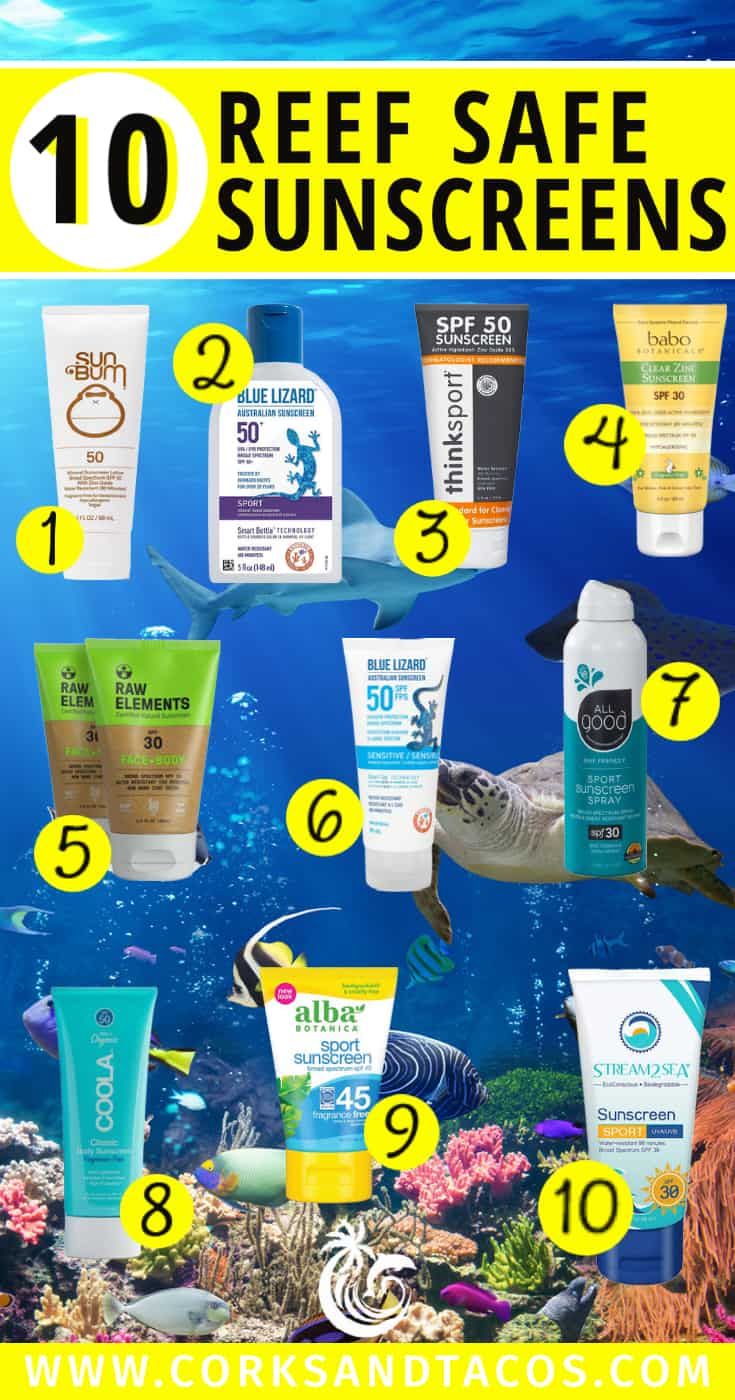
If you're concerned about the environmental impact of your sunscreen, consider reef-safe alternatives. Brands like Thinksport, Stream2Sea, and Babyganics offer formulations free from both oxybenzone and octinoxate, providing a more eco-friendly option for beachgoers and water enthusiasts.
When selecting a sunscreen, look for one that uses zinc oxide or titanium dioxide as its active ingredients. These physical blockers create a barrier on the skin's surface, reflecting UV rays, and are less likely to cause harm to marine life.
It's also a good idea to support brands that prioritize sustainability and follow responsible manufacturing practices. These efforts can go a long way in protecting our environment, including the precious coral reef ecosystems that support a vast array of marine life.
While Neutrogena Ultra Sheer Sunscreen may not be classified as reef-safe by some standards, it's clear that companies are taking strides to optimize their products for both human skin health and environmental sustainability. As consumers, we have the power to support these efforts by choosing products that align with our values and encouraging manufacturers to prioritize eco-friendly formulations. So, next time you hit the beach, consider opting for a reef-safe sunscreen to help protect our oceans' vital ecosystems.
Related Articles

Protect Your Dark Skin & Coral Reefs with Reef-Safe Sunscreen
Millions of sun enthusiasts worldwide, especially those with darker skin tones, are becoming increasingly aware of the impact their sunscreen choices have on...
Reef-Safe Sunscreen: Best Brands for Protected Zoas
When it comes to protecting our skin and our planet, one product stands at the forefront of a significant debate: sunscreen. As we strive to minimize our...
Most Affordable Reef-Safe Sunscreen: Eco-Friendly Sun Protection
Embarking on a coral reef adventure? Don't forget to pack your sunscreen, but wait! Not all sunscreens are friendly to our marine friends. Choosing the most...
"Affordable Reef-Safe Sunscreen: Protect & Preserve"
In a world where protecting our skin and preserving our environment are both priorities, finding an effective yet eco-friendly sunscreen can be a challenge...
Sunscreen Brands That Save Reefs
The sun's rays may be life-giving, but they can also be harmful, especially to our coral reefs and marine life. This is why it's crucial to opt for reef-safe...

Is Biore UV Aqua Rich Reef Safe?
If you're an avid snorkeler or scuba diver, you've probably heard that reef-safe sunscreen is crucial to protect our ocean ecosystems. But does Biore UV Aqua...